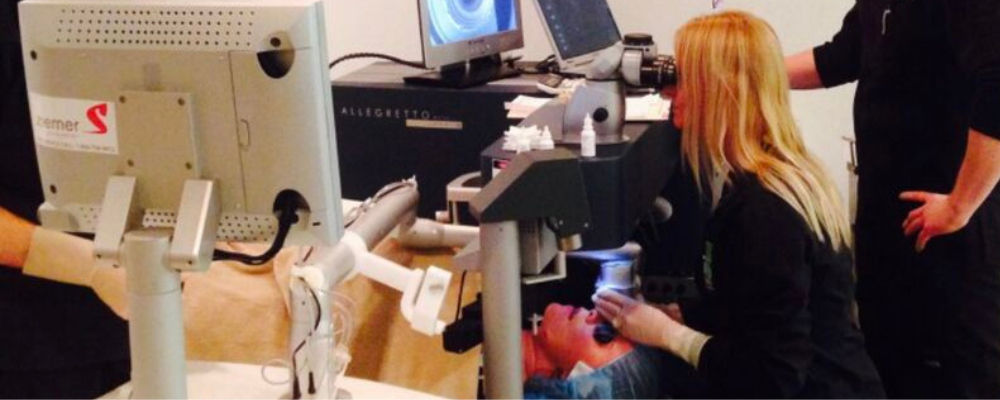
I still think about one of the most memorable partnerships I experienced firsthand as an influencer. It was 2014, and a local LASIK clinic reached out about vision correction surgery. Yes, the offer was free LASIK! It immediately caught my attention, though what made this work for me went far beyond the procedure itself.
The clinic had not worked with influencers before, though they had a clear instinct. They wanted to demystify LASIK by showing the experience through someone their audience could relate to and trusted.
The first outreach was collaborative
At the time, Twitter was a primary channel for real-time engagement. They sent me a DM, but what stood out right away was who contacted me. It was not an agency. It was the clinic manager. Hearing from her directly made the conversation feel genuine and collaborative from the start. We had a quick phone call, talked through her ideas, and built the idea together.
They initially suggested live-tweeting the procedure. They really wanted to reach Twitter users in the Twin Cities. It made sense, though I knew my audience engaged more deeply with layered content across a number of channels. I proposed expanding the plan to include blog posts, Facebook posts and a co-hosted Twitter chat with the surgeon. They were open to it. That collaborative spirit underscored the entire partnership.
Of course, I researched the clinic website and reviews and went in for a free consult to make sure I was a good candidate for the procedure. I had a positive experience, achieved 20/20 vision, and shared the journey in a way that resonated. In fact, The clinic later attributed multiple procedures directly to that content. There were even people outside Minnesota who told me that my experience influenced their decision to get LASIK as well. The clinic viewed that as a win for the industry as a whole.
How this still influences me today
I carry two lessons from that partnership into every influencer strategy I build today.
First, direct outreach from the brand (vs. an agency rep) matters a lot. When initial contact comes from the brand, it signals intent and investment. It increases the likelihood of engagement and sets a strong foundation for trust.
Clients sometimes raise concerns about bandwidth. In my experience, that early connection is worth the effort. Once the relationship is established, communication can include the agency team and execution can be handed off to others.
I’ve also been on the flip side. For a different partnership, a rep from an agency I had never heard of reached out on behalf of a pharma brand I was very familiar with. It felt strange hearing from the agency, when I really wanted to build a relationship with the brand.
Of course, there there can be exceptions to this guidance. For example, if a creator has a talent manager, it doesn’t make a difference if an agency rep reaches out first.
Second, creators should have a seat at the table when shaping the work. They understand their audience best. When you invite their input, you can uncover ideas that elevate the entire program. Sending overly-rigid briefs before discussing the influencer’s ideas tend to limit those possibilities.
Having been on both sides of partnerships, I approach influencer strategies with a different lens. For healthcare companies, where education and trust carry the most weight, these principles translate directly and our clients are always appreciative of these insights.
Ready for more?
Sign up for our free Industry News + Resource Guide for our best 50+ news sources across social media, influencer and healthcare.
Subscribe to our newsletter The Health Amp to get trends and tips in your mailbox monthly.
Reach out to connect with us about Voronyx services. We’d love to chat!